Shipping olive oil to Europe: what survives, how long and what it costs
How olive oil is packed so it does not break, which destinations need customs clearance, and realistic delivery times for an EU shipment.
Written by The Villafranca Bonilla family9 min read
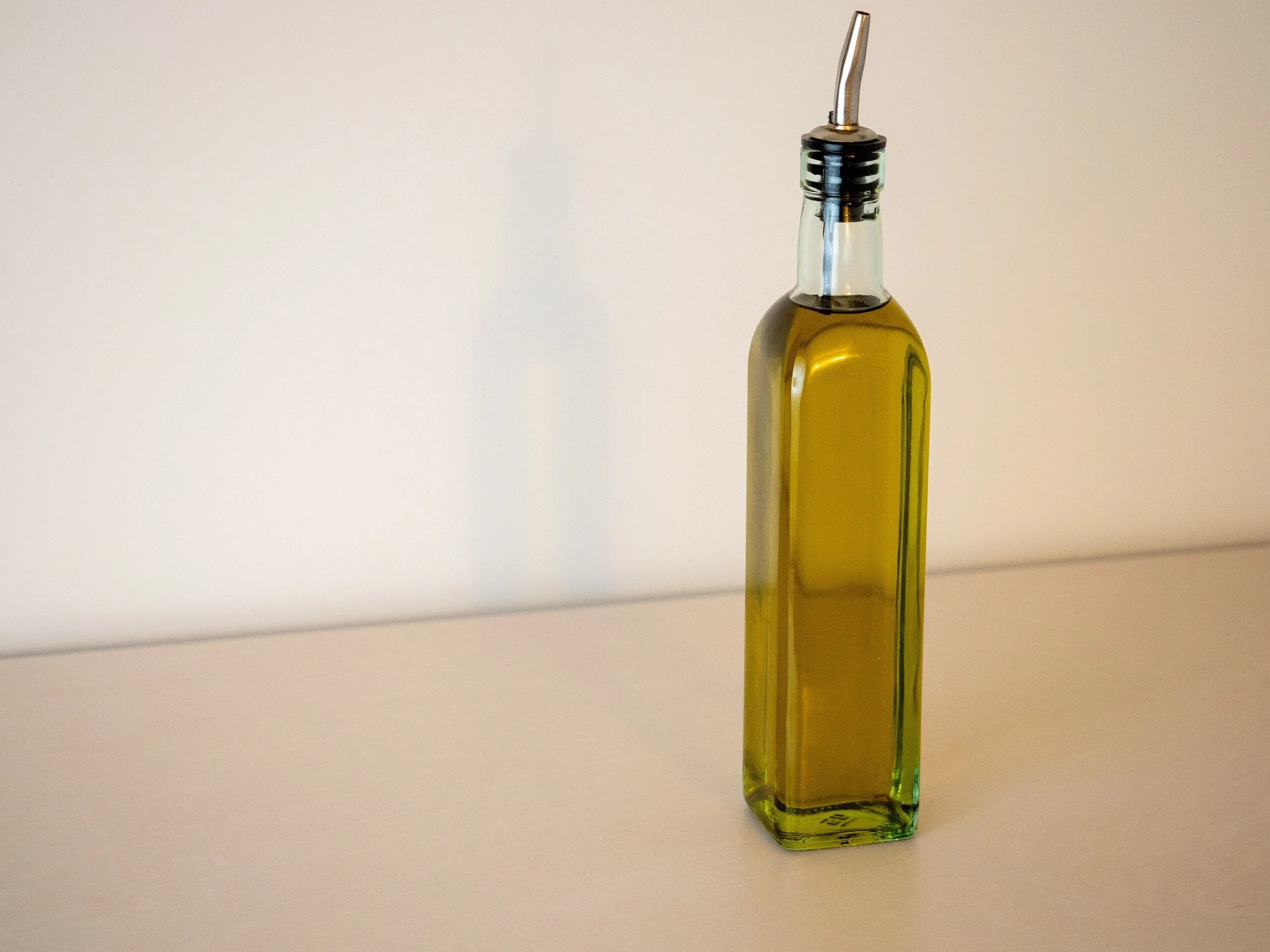
Within the European Union, with no special formalities: three to seven working days by ordinary courier. Olive oil is neither a dangerous nor a restricted good, so there is no customs stage, no permit and no paperwork. The only thing that genuinely has to be got right is the packing, because glass breaks and a leak ruins the whole parcel.
Outside the EU — and that includes the Canary Islands, Ceuta and Melilla, even though they are Spain — it changes: there is customs clearance, documentation and costs that depend on the declared value.
The zones, and why they differ
The times below are transit times, and do not include however long the producer takes to pack the order:
| Zone | Customs | Typical transit |
|---|---|---|
| Mainland Spain | No | 24–72 h |
| Balearic Islands | No | 2–4 days |
| European Union | No | 3–7 working days |
| Canary Islands, Ceuta, Melilla | Yes | Variable, depends on clearance |
| Outside the EU | Yes | Variable, depends on country |
The case that most surprises people is the fourth: the Canary Islands, Ceuta and Melilla are Spain but sit outside the customs and tax territory of the Union. That means a customs declaration and formalities, exactly as if the parcel were going to a third country. It is not a courier’s whim, it is the fiscal status of those territories.
This is why producers typically hold a fixed rate for the zones with no customs stage and treat the rest as an individual quote — or do not serve them at all. We have taken the second route and ship to mainland Spain only: we would rather quote one rate we can keep than a long list of destinations with small print. The carriage price is on the buying page.
Packing: the only thing that really fails
An olive oil shipment has one weak point and it is the glass. Worth knowing how it is done properly, whether you are sending a bottle yourself or want to know what to expect on arrival.
What a well-prepared parcel should have:
- Cardboard dividers between bottles. Without them, two bottles knocking together over eight hours of transport will break even if the parcel is never dropped.
- Filling on every face, including the bottom. Empty space is what allows movement, and movement is what breaks things.
- No direct contact between bottle and outer box. A knock on the corner transmits straight through if the bottle touches the wall.
- An individual bag, ideally: if a bottle does break, it contains the spill and saves the rest.
- A seal on the cap. Pressure and temperature changes in transit can make a cap weep that closes perfectly at home.
If you are sending a bottle yourself, the most effective and cheapest wrapping is clothing. Wrapping the bottle in a jumper, putting it in a sealed plastic bag and placing it in the centre of a suitcase works better than most bought packaging.
What it costs and why
Oil is heavy. A half-litre bottle with its packaging exceeds a kilo, and a five-litre tin runs to about six. Since couriers charge by weight and volume, carriage is a substantial part of the final price of a small order.
Two practical consequences follow:
Shipping dilutes with volume. Sending three bottles in one parcel costs far less than sending them in three separate shipments. If you buy from a producer several times a year, grouping orders saves a noticeable amount.
Large formats work out better per litre here too. The carriage of a five-litre tin spread across those five litres is a fraction of what it represents on a half-litre bottle. With the usual caveat: it only pays if you get through it in time, and that is in how long olive oil lasts.
How oil handles the journey
A reasonable worry: does days in a van do anything to it?
Movement does not affect it. Oil does not suffer from vibration.
Heat does, but less than feared. A few days of warmth in a lorry will not ruin a sound oil; what degrades it is sustained heat over months. A week in transit in August is not ideal but does not wreck the bottle.
What can happen in winter is that the oil arrives cloudy or looking solid after a cold journey. It is not spoiled: that is the normal behaviour of olive oil below about 7 °C. It recovers on its own at room temperature, losing nothing. Worth knowing, because every winter people return perfectly good bottles believing they have curdled.
Light in transit is not an issue: the parcel is closed.
What really determines the condition of the oil is what happens afterwards, in the kitchen of whoever receives it.
Which format travels best
Tin travels best: it does not break, it is completely opaque and it absorbs knocks that would leave glass on the floor. Its weak point is denting, which in extreme cases can compromise the seal. If it arrives dented but closed and not weeping, the oil is fine.
Glass is fragile but preserves best over the long run and looks right on a table. Which is why it is still used despite the risk: the glass problem is solved by packing, whereas other materials’ preservation problem is not always solvable.
PET takes a knock better than glass and handles light and time worse. For a shipment that will sit weeks in transit and months in a pantry, it is the weakest of the three.
Outside the European Union
If the destination is outside the EU, the shipment stops being a courier matter and becomes a customs matter:
There is a declaration and there is documentation. The parcel travels with an invoice or content-and-value declaration and passes customs clearance at destination. That stretches the timeline unpredictably: it may be quick or sit for days.
Duties and taxes are paid by the recipient, unless otherwise contracted. This is the nastiest surprise of such shipments: someone receives a notice that they must pay to collect their gift. If you are sending oil outside the EU, warn them.
Every country has its own food rules. Some require labelling in their own language, some limit food imports by private individuals, others allow it freely below a certain value. There is no common rule.
The United Kingdom, since leaving the Union, falls into this category: it is no longer an intra-EU shipment.
In practice, for a private individual wanting to send a bottle to family outside the EU, carrying it in a suitcase almost always works out better than posting it. For commercial volumes, what you need is not a courier but a customs agent.
On receipt
Two practical things if you are the one receiving:
Check the parcel before signing. If the box arrives wet, dented or sounding like broken glass, note it on the courier’s docket. It is the only moment when that note is easy, and it changes the handling considerably afterwards.
Photograph it before dismantling the packaging. If there is breakage, photographs of the closed parcel and of the inside as it arrived are what settle a replacement without argument.
A serious producer replaces a bottle broken in transit without making difficulties: it is an accepted risk of shipping, not of the buyer. It is among the things worth being clear about before ordering, alongside those in buying direct from the grower.
Buying enough at once
Since carriage is charged by weight and barely falls for sending less, the arithmetic rewards planning ahead.
One bottle is the worst value there is. The shipping cost of a single half-litre bottle is a large proportion of the order, because a courier charges much the same for a small parcel as for a moderately larger one.
Three or four bottles in one parcel is usually where it starts making sense. The carriage is spread, and if you keep the unopened bottles properly — cool, dark, sealed — they hold up perfectly well for months. Unopened oil lasts twelve to eighteen months from harvest.
A large tin plus a small bottle is the combination that works for most households ordering from abroad: the tin for cooking, the bottle for raw use, both arriving in a single shipment.
What does not work is ordering a year’s supply and opening it all at once. Storage, not shipping, is what limits how much it is sensible to buy.
If it is a gift with a date
Last, because this causes the most disappointment.
Allow margin. The times above are typical, not guaranteed, and December stretches them considerably: it is when most parcels move and when most olive oil is given. For a Christmas gift, ordering in the first half of December is prudent; in the last week, it is a gamble.
Warn the recipient. A box with a glass bottle waiting two days in a hallway is not a good way to begin a gift.
And check somebody will be at the address. It is obvious and it is the number one cause of failed deliveries: the courier tries, nobody is in, and the parcel goes back to the depot.
500 ml bottle
Dark glass. Our everyday size.
€12.50€25.00 per litre
See the half-litre bottleFrequently asked questions
- Can olive oil be sent by courier?
- Yes. Olive oil is neither a dangerous nor a restricted good, so it travels by ordinary courier with no special formalities anywhere within the European Union. The only thing to get right is the packing: glass breaks, and spilled oil ruins the rest of the parcel, so a well-prepared shipment uses dividers and keeps the bottle away from the outer cardboard.
- How long does an olive oil shipment to the EU take?
- Typically three to seven working days to continental Europe, somewhat longer to the Nordic and eastern countries. There is no customs stage within the EU, so the timing depends only on the courier. Allow margin if it is a gift with a date: the Christmas peak stretches delivery times considerably, and that is when most olive oil is sent.
- Can olive oil be shipped to the Canary Islands?
- Yes, but in practice it is not a domestic shipment. The Canary Islands, Ceuta and Melilla sit outside the customs and tax territory of the Union, so the parcel goes through customs clearance with its own paperwork, timings and costs, which depend on the declared value. This is why many producers quote those destinations separately rather than at a flat rate, and others simply do not serve them at all. We are in the second group: we only ship within mainland Spain.
Keep reading
- Buying olive oil direct from the grower: how it works and what to askHow direct sale of olive oil works, what guarantees you have, what the seller should be able to tell you, and where the scams are.
- Does olive oil go off? How long an opened bottle lastsBest before versus expiry, how long an opened bottle really holds up, and the clear signs that an oil has gone rancid. Plus how to store it.
- What extra virgin actually means, and how it differs from virgin and refinedThe three legal categories of olive oil, what separates them, and why the word on the label is the only claim that cannot be fudged.
Want to taste it?
Everything on these pages ends up in the same bottle: rain-fed Picual from Marmolejo, picked green and milled the same day.
See sizes and prices