What extra virgin actually means, and how it differs from virgin and refined
The three legal categories of olive oil, what separates them, and why the word on the label is the only claim that cannot be fudged.
Written by The Villafranca Bonilla family8 min read
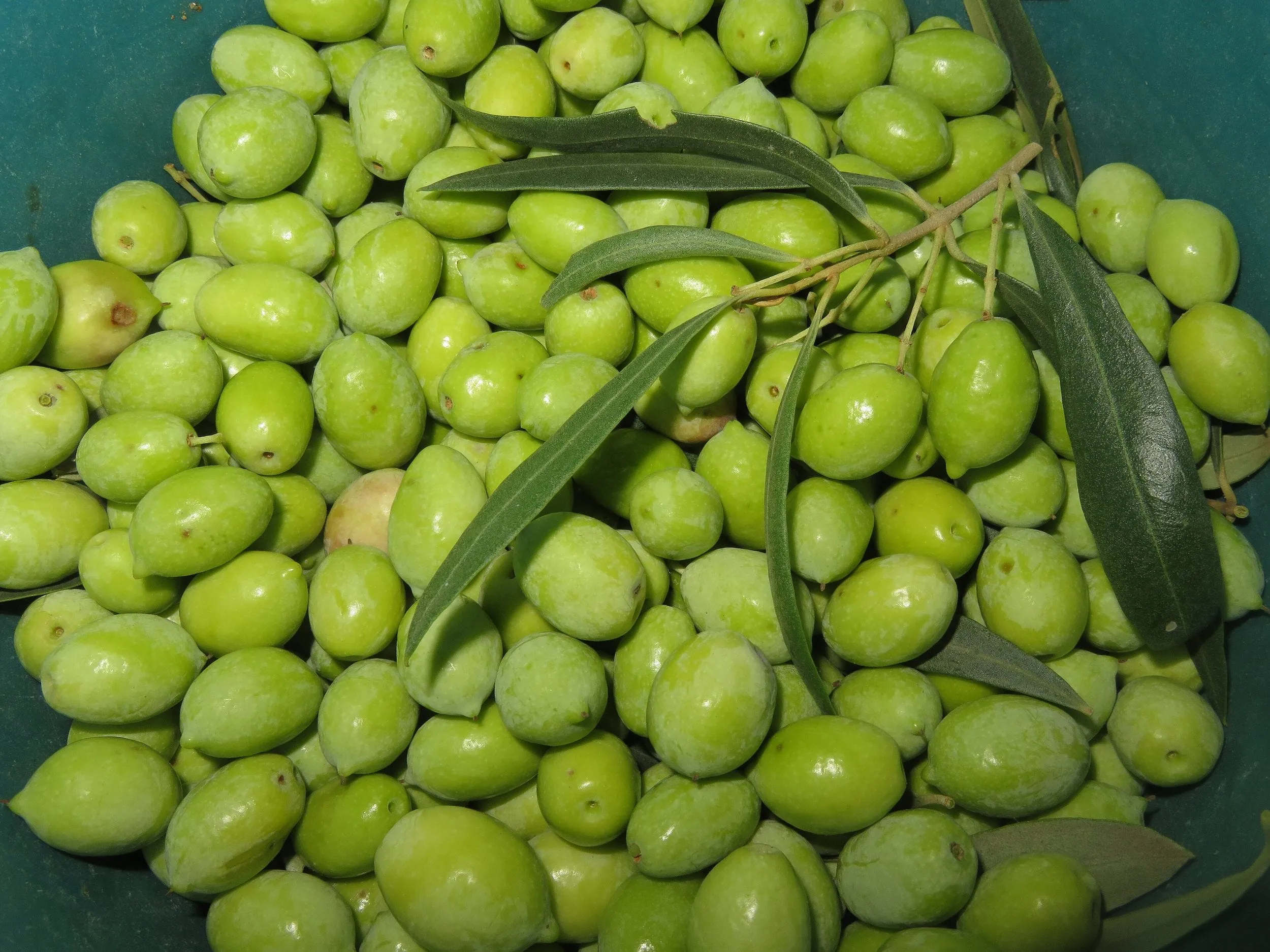
Extra virgin is a legal category, not a marketing word. To carry it, an oil must be mechanically extracted olive juice, hold free acidity below 0.8 per cent, and — this is the part that decides almost everything — be judged by a trained tasting panel to have zero defects. Not a trace. Everything else on the front of a bottle is decoration by comparison.
If you buy olive oil outside a producing country, this one word does more work than any other. Here is what sits behind it.
The three things on the shelf
They look like grades of the same product. They are not.
Extra virgin olive oil. Juice pressed from olives by mechanical means alone. No solvents, no heat beyond a strict limit, nothing added. Free acidity under 0.8 per cent, fruitiness above zero, and no sensory defect whatsoever.
Virgin olive oil. Made exactly the same way, but the panel found a fault — fermentation, mustiness, a winey note, rancidity. Acidity up to 2 per cent. It is perfectly legal to sell and perfectly edible; it is simply an oil that failed the tasting.
“Olive oil”, plain. Often sold as mild or intense. This is a blend of refined olive oil with a little virgin oil. Refining uses heat and solvents on oil that was not sellable as it stood, and produces something with no aroma, no flavour and no colour. The splash of virgin added at the end is what gives it any character at all.
That third one causes most of the confusion, because the word “olive” is right there in large type. Look at what it does not say: if the legal name does not include extra virgin, it is not extra virgin.
Two more you may meet:
Olive pomace oil is not made from the olive but from what remains after the olive has been pressed, extracted with solvents. It is a different product entirely.
Lampante virgin olive oil cannot legally be sold to consumers at all. It goes straight to a refinery. The name comes from lamp oil: this is the grade that once fuelled lamps.
Why the tasting panel is the heart of it
This is the part that surprises people, and it is worth understanding because it explains why chemistry alone cannot certify an oil.
A recognised panel is eight to twelve trained tasters. They work from blue glasses — opaque on purpose, so colour cannot influence the verdict, because a vivid green oil primes you to expect bitterness. They score three positive attributes from zero to ten:
- Fruitiness — does it smell of olive fruit at all?
- Bitterness
- Pungency — the catch at the back of the throat
And then they hunt for defects, which is what actually settles the category:
| Defect | What it smells of | Where it comes from |
|---|---|---|
| Fusty | Sweetish, overripe fruit, cellar, cured cheese | Olives heaped up before milling |
| Musty–humid | Wet earth, damp cellar, raw mushroom | Fruit stored damp; fungi |
| Winey–vinegary | Vinegar, spoiled wine, varnish | A different fermentation |
| Wet wood | Damp timber, old firewood | Olives frozen on the tree |
| Rancid | Candle wax, old walnuts, paint, cardboard | Oxidation: air, light, heat, time |
One defect above threshold and the oil is no longer extra virgin, however well it scores on everything else.
Notice the consequence, because it inverts what most people assume: pungency is never a defect. It sits on the list of good things, beside fruitiness. An oil can be extra virgin with a pungency of zero and another with a pungency of eight. What neither can have is a fault.
The numbers, and what they really tell you
Alongside the tasting, an oil is measured in a laboratory. Four figures matter most:
Free acidity (≤ 0.8 % for extra virgin). The single most quoted number and the most misunderstood. It cannot be tasted — it has no flavour, does not sting and does not make an oil milder. It measures how far the fat has broken down, which mostly reflects the state of the fruit when it was milled. Useful, but not a measure of quality.
Peroxide value (≤ 20). Early-stage oxidation. Tells you how the oil has been handled and stored, and roughly how young it is.
K232 and K270. Ultraviolet absorbance. K270 detects late-stage oxidation and, more importantly, gives away refined oil, which produces high readings. It is the fraud detector of the system.
There is also a labelling rule worth knowing: if a label states the acidity, it must also state peroxide value, waxes and ultraviolet absorbance. All four or none. So a bottle with a large “0.2°” on the front and nothing on the back is advertising, not information.
What “cold extraction” adds
You will see cold extracted or first cold extraction on good bottles, and unlike most claims, this one is regulated. It may only be used if the paste is kept below 27 °C throughout.
Why the temperature matters: heat makes the oil flow more freely and raises the yield — more litres from the same olives. It also drives off the volatile aromatics and degrades part of the phenolic compounds that produce bitterness and pungency. Running three or four degrees warmer is a purely economic decision with consequences in the glass.
Ours is cold extracted, below that 27 °C. Full process in how extra virgin olive oil is made.
“First cold pressing”, by contrast, is largely a historical leftover. Almost nobody presses any more — modern mills centrifuge, and they do it once. There is no second pressing to distinguish yourself from.
How the categories relate to each other
Something that trips people up: these are not a quality ladder that an oil climbs. An oil is born into its category and cannot be promoted.
Extra virgin and virgin come out of the same process. What separates them is whether the fruit and the handling were good enough to leave no defect. You cannot take a virgin olive oil and refine it into an extra virgin — refining moves it in the opposite direction, out of the virgin family altogether.
The flow, in practice:
- Sound fruit, milled fast, handled cleanly → extra virgin
- Some fault detected by the panel → virgin, sold as it is
- Serious fault, or acidity above 2 per cent → lampante, which goes to a refinery
- Refined lampante + a little virgin blended back for flavour → the bottle labelled “olive oil”
So the cheap bottle on the shelf marked simply “olive oil” is, in most cases, made largely from oil that failed the tasting — chemically stripped of the defect, then given back a hint of character. That is not a scandal and it is not illegal; it is an efficient way of turning unusable oil into a usable cooking fat. But it is a very different object from the one on the next shelf up.
And an oil can fall between categories over time. An extra virgin that sits in a warm, lit shop for two years may turn rancid, and rancidity is a defect. It was extra virgin when it was bottled. It is no longer one in any meaningful sense, whatever the label says. This is why the crop year matters more than the category alone.
What decides quality before the mill
Category tells you an oil is sound. It does not tell you it is good. Three decisions do most of that work, and none of them appears on any label:
When the fruit was picked. Green October olives yield far less oil and carry much more of everything that gives character. Black January fruit yields more, softer and cheaper. This is the biggest single lever on flavour.
How long it took to reach the mill. Olives are fruit, and fruit left in a heap ferments within hours. This is what produces the fusty defect, the most common fault in the world. What is picked in the morning should be milled the same day.
Whether the grove is irrigated. A rain-fed tree goes thirsty in summer, bears less fruit and concentrates more into it. Compared in rain-fed versus irrigated.
How to use this at the shelf
In order, taking about thirty seconds:
- Does the legal name say “extra virgin”? If not, stop there.
- Turn the bottle round and find the origin. “Blend of olive oils from the European Union” means bulk oil from several countries, unified at a bottling plant.
- Look for the harvest. It is voluntary, which is exactly why it means something: nobody prints the crop year of an old oil.
- Look for the variety. If it names one, you know roughly how it will taste.
- Check the container. Tin or dark glass. Light is the most aggressive enemy and the most ignored.
The full walk-through is in how to read an olive oil label.
And the honest caveat
Extra virgin is a floor, not a ceiling. It is the minimum a serious oil must clear, and clearing it says nothing about whether the oil is remarkable or merely adequate. Plenty of perfectly correct extra virgins taste of very little.
What separates one extra virgin from another is variety, picking date, how fast it reached the mill, and how long it has sat in the bottle since. None of that is guaranteed by the category — which is why the rest of this blog exists.
500 ml bottle
Dark glass. Our everyday size.
€12.50€25.00 per litre
See the half-litre bottleFrequently asked questions
- What is the difference between virgin and extra virgin olive oil?
- Both are mechanically extracted olive juice with nothing added. The difference is decided by a trained tasting panel: extra virgin must have zero sensory defects and free acidity below 0.8 per cent, while virgin is allowed some defect and up to 2 per cent acidity. So virgin is not a milder extra virgin — it is an oil in which someone detected a fault.
- Is "olive oil" the same as extra virgin olive oil?
- No, and this is where most people are caught out. A bottle labelled simply "olive oil", sometimes with "mild" or "intense" next to it, is a blend of refined olive oil with a small amount of virgin. The refined part is produced with heat and solvents from oil that was not fit to sell as it was, and arrives with no flavour, no aroma and no colour.
- Does extra virgin olive oil have to be cold pressed?
- The category itself does not require it, but in practice almost every serious extra virgin is cold extracted. The regulated term is "cold extraction", which means the paste stays below 27 °C throughout. Heat raises yield — more litres from the same olives — while stripping out the volatile aromas and part of the compounds behind the bitterness and pungency.
Keep reading
- How to read an olive oil label: the seven things that matterWhat to check on a bottle of olive oil before you pay, in what order, and which impressive-sounding claims mean absolutely nothing.
- Does olive oil go off? How long an opened bottle lastsBest before versus expiry, how long an opened bottle really holds up, and the clear signs that an oil has gone rancid. Plus how to store it.
- Why does olive oil burn the back of your throat?The peppery catch and the bitterness in extra virgin olive oil are not a fault. They are the signature of an olive picked green. Here is where they come from.
Want to taste it?
Everything on these pages ends up in the same bottle: rain-fed Picual from Marmolejo, picked green and milled the same day.
See sizes and prices