Does olive oil go off? How long an opened bottle lasts
Best before versus expiry, how long an opened bottle really holds up, and the clear signs that an oil has gone rancid. Plus how to store it.
Written by The Villafranca Bonilla family8 min read
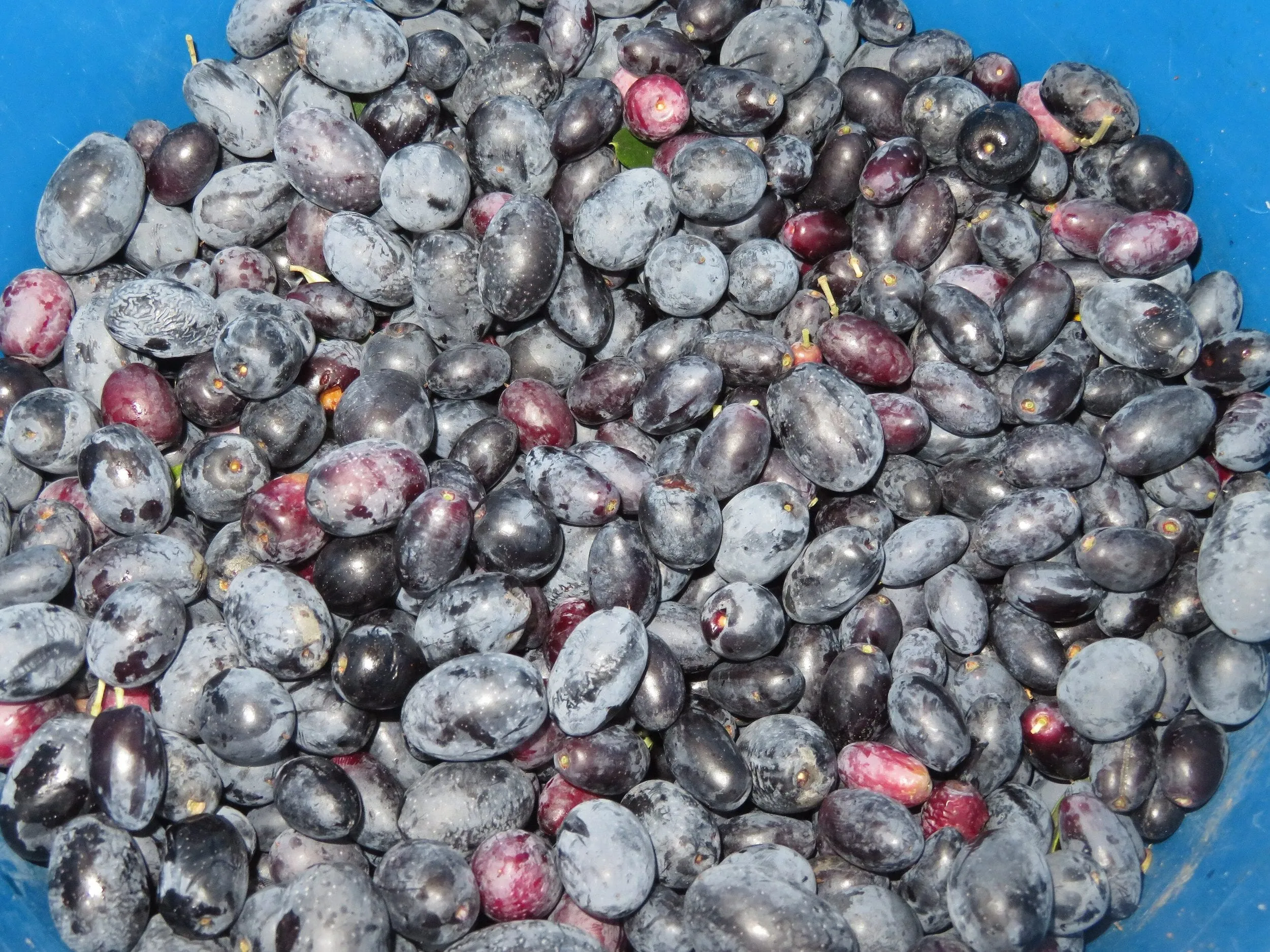
An opened bottle of extra virgin olive oil is at its best for one to three months, and holds up reasonably for five or six if it is well sealed and kept in the dark. Unopened, twelve to eighteen months from harvest. And it does not expire: olive oil does not spoil overnight, it fades.
That is the short answer. The longer one matters because a great many people have a better oil at home than the one they are actually eating, purely because of where they keep it.
Best before is not expiry
An expiry date marks the point beyond which a food is no longer safe. Fresh fish has one. Minced meat has one. Milk has one.
A best-before date says something different: until that day the producer guarantees the product keeps its qualities. After it, the food does not become dangerous — it becomes worse. Olive oil always carries best-before, never expiry. An oil past date will not harm you; it will taste of cardboard and ruin whatever you put it on.
And here is the detail almost nobody checks: that date is counted from bottling, not from harvest. An oil can spend months in a tank before it goes into the bottle and emerge with a very long date printed on the neck. Which is why, when buying, the crop year matters far more than the best-before.
If it is not printed anywhere, there is a workable trick: subtract eighteen months from the best-before date. That is the shelf life usually assigned to an extra virgin, so the arithmetic gets you close to the bottling date.
Unopened
A well-made, well-stored extra virgin holds its form for twelve to eighteen months from picking, and a stable variety like Picual can reach twenty-four, though by then the green fruitiness of the early months is long gone.
Note from picking: the clock starts at the mill, not in your pantry. An oil from last season bought in September is already almost a year old however tightly the bottle is sealed.
Unopened, the chief enemy is light. This is why oil is sold in dark glass or tin, and why a tin on the floor of a pantry is one of the best places it can possibly be.
Once opened
Now the governing factor is air, and it gets in the moment you first remove the cap.
| Format | At its best | Holds up until |
|---|---|---|
| 500 ml bottle | 1 month | 2–3 months |
| 2 L tin | 2 months | 4–5 months |
| 5 L tin | 3 months | 6 months, if decanted |
These are not sacred deadlines: they assume ordinary use and a decent cupboard. A bottle sitting next to an induction hob runs far faster.
What is a rule is this: the emptier the bottle, the faster the remaining oil degrades. What sits above the oil is not nothing, it is oxygen. The last two fingers of a bottle opened five months ago are not the same oil that came out of it on day one.
The four enemies
Light. The most aggressive and the most ignored. Sunlight and the kitchen strip light both accelerate the oxidation of fats. An oil in clear glass on a worktop loses in weeks what it would have taken months to lose in a cupboard.
Heat. Every extra degree speeds up the reactions that degrade oil. The ideal is around 15–18 °C, and being steady matters more than hitting a number: an oil swinging from 30 °C by day to 18 °C at night suffers more than one held constantly at 22 °C.
Air. Oxygen does the dirty work. Cap on between uses, and no leaving the cruet open because you are about to use it again anyway.
Time. It runs even if you do everything right. Oil is not preserved, it is slowed. The aim is not to make it last forever but to use it while it is good.
How to recognise rancid oil
This is the genuinely useful part, because it needs no equipment: your nose detects rancidity long before any home test would.
How to do it. Put a couple of tablespoons in a small glass, cover it with your palm, and swirl to warm it — aroma rises with temperature. Uncover and smell.
An oil in good condition smells green: fresh-cut grass, olive leaf, tomato plant, artichoke, almond or green apple. It smells of fruit.
A rancid oil smells of the following, and they are unmistakable once you have them in your head:
- Candle wax. The commonest and the first thing tasters learn. That warm, waxy smell of a blown-out candle.
- Old walnuts or almonds. A bag of nuts left open far too long.
- Paint or varnish. An almost chemical, solvent-like undertone.
- Wet cardboard. Flat, dull, dusty — the one that smells of nothing much, and of cardboard.
- Machine oil. In advanced cases, a metallic, workshop note.
In the mouth confirmation comes fast: a rancid oil is flat. No pungency, no bitterness, no fruitiness. It leaves a greasy, pasty coating that goes nowhere. A healthy extra virgin, however mild, always does something — it leaves you a finish. Rancid oil leaves nothing.
Two common confusions worth heading off:
- Pungency is not a sign of spoilage, it is the opposite. If it scratches the back of your throat a second or two after swallowing, that oil is alive. Explained in why olive oil burns your throat.
- Sediment and cloudiness are not faults either. A lightly filtered oil leaves a natural deposit. It is worth using sooner, though, since those residues carry some moisture and speed degradation.
There are other defects distinct from rancidity — fusty from heaped olives, winey which smells of vinegar, musty from damp fruit — but those come from the mill, not from how you stored the bottle. Rancidity is the only one manufactured in your own kitchen.
If in doubt, one trick never fails: smell yours and a freshly bought bottle back to back. Side by side, the difference stops being subtle.
Where to keep it in a real kitchen
The worst possible idea, and the most common, is the cruet beside the hob. That is all four enemies at once: heat from the burners, light, an open container and hours of it. A good oil there lasts weeks, not months.
What works in an ordinary kitchen, without building a cellar:
- A closed cupboard, as far from the oven and hob as possible. Never on top of the fridge, which is one of the warmest spots in the house.
- Cap on, always. Open pourers are convenient and expensive in the medium term.
- A small cruet, if you use one: fill it for two or three days and never top it up over the old remains.
- Tin to bottle. If you buy a large format, decant into a dark glass bottle and return the tin to the cupboard sealed. That way you expose half a litre to air at a time rather than five.
And the fridge? You can, and it does not damage the oil, but it is not worth it. Cold clouds it and eventually solidifies it, and moving it in and out creates condensation inside the bottle: water gets in, and water accelerates degradation. A cool, steady cupboard does the job just as well. The reasonable exception is a kitchen that spends weeks above 30 °C in summer.
Why Picual lasts longer
How well an oil resists time depends on its composition: the more oleic acid — a monounsaturated fat, harder to oxidise than polyunsaturated ones — and the more phenolic compounds it carries, the more slowly it degrades. Those phenolic compounds are the same ones responsible for the bitterness and the pungency, and they act as a brake on oxidation.
Picual is high in both. It is the most stable of the major Spanish varieties, and for the same reason the one that best withstands a hot pan. Arbequina, by contrast, is best drunk young. The full comparison is in the four varieties compared.
The practical consequence is a buying decision: large formats only make sense with a stable variety and a rate of use to match. Five litres of Picual in a household that cooks daily is sensible. Five litres where half a litre a month gets used is money going rancid in a cupboard.
What to do with oil that has gone
First, what not to do: do not pour it down the sink. A litre of oil contaminates an enormous volume of water, blocks pipes and causes problems at treatment plants. Keep it in a sealed bottle and take it to a recycling point.
At home it is useful for making soap, oiling hinges and tools, and caring for knife handles or garden furniture. What we would not recommend is frying with it: it is already oxidised before it hits the pan and passes its flavour to whatever you cook.
And a closing piece of advice that works against selling you more: buy the format you will actually use. Better half a litre twice than a large tin left half full in July.
500 ml bottle
Dark glass. Our everyday size.
€12.50€25.00 per litre
See the half-litre bottleFrequently asked questions
- Does olive oil expire?
- It carries a best-before date, not an expiry date. Past that date the oil does not become unsafe — it gradually loses aroma and flavour until it turns rancid. The distinction matters, because a bottle within date that has lived beside the hob can be in worse condition than one just past date that has sat in a cool dark cupboard.
- How long does an opened bottle of olive oil last?
- One to three months at its best, and up to five or six if it is a stable variety like Picual, kept tightly closed and away from heat. What governs it is not really the days but the air: the emptier the bottle, the faster what remains oxidises. This is why buying the format you will actually get through matters more than the price per litre.
- Should you keep olive oil in the fridge?
- You can, but it brings more problems than benefits. Cold makes the oil cloud and eventually solidify, and taking it in and out creates condensation inside the bottle — water accelerates degradation. A closed cupboard at a steady temperature, away from the cooker, preserves it just as well. The one reasonable exception is a kitchen that spends weeks above 30 °C.
Keep reading
- What extra virgin actually means, and how it differs from virgin and refinedThe three legal categories of olive oil, what separates them, and why the word on the label is the only claim that cannot be fudged.
- How to read an olive oil label: the seven things that matterWhat to check on a bottle of olive oil before you pay, in what order, and which impressive-sounding claims mean absolutely nothing.
- Picual, Arbequina, Hojiblanca and Cornicabra: which one is for youThe four big Spanish olive varieties compared: how each one tastes, what it suits in the kitchen, and which keeps best in the bottle.
Want to taste it?
Everything on these pages ends up in the same bottle: rain-fed Picual from Marmolejo, picked green and milled the same day.
See sizes and prices