Picual, Arbequina, Hojiblanca and Cornicabra: which one is for you
The four big Spanish olive varieties compared: how each one tastes, what it suits in the kitchen, and which keeps best in the bottle.
Written by The Villafranca Bonilla family8 min read
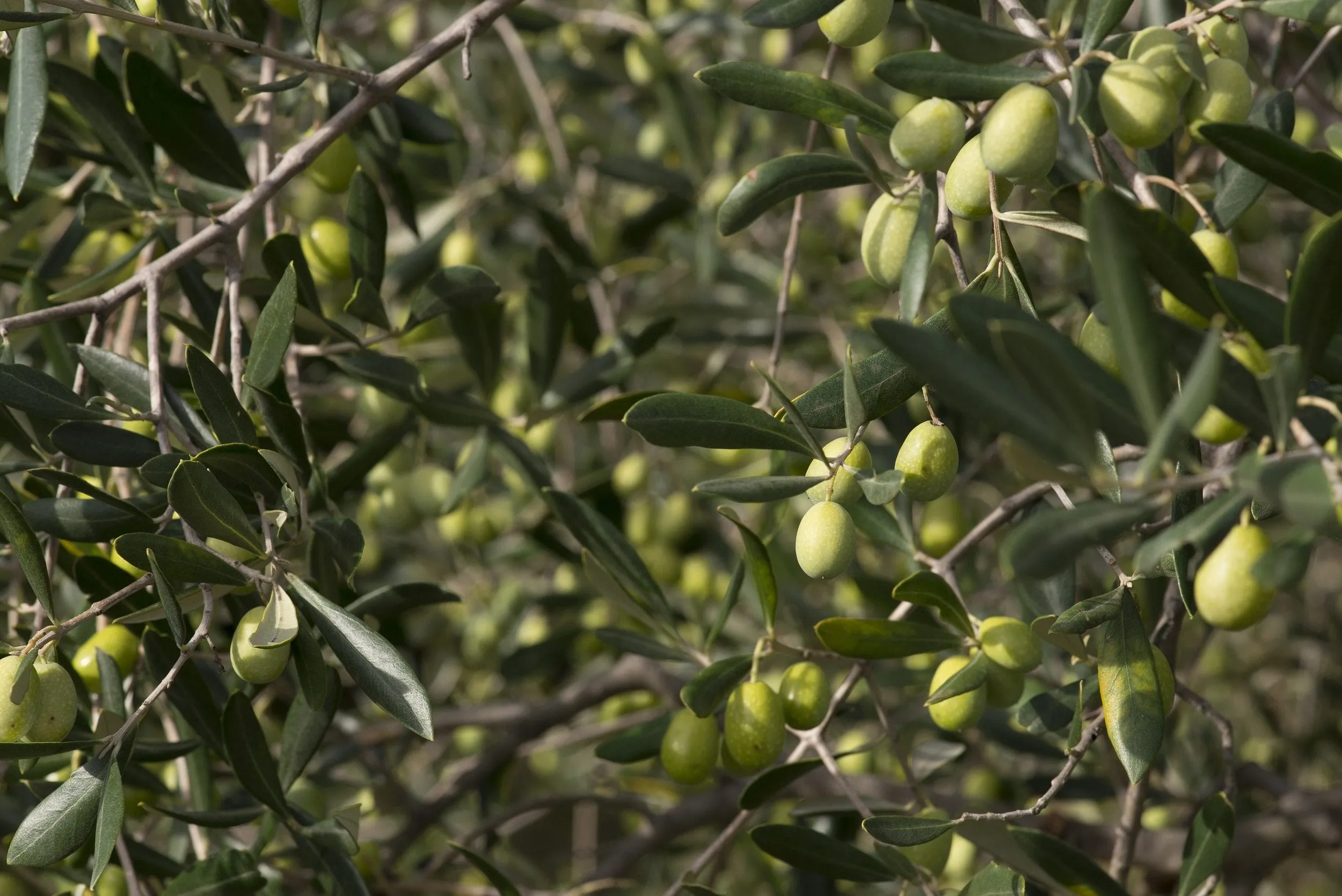
Picual is the intense one, Arbequina the gentle one, Hojiblanca the middle ground and Cornicabra the one with body. They are not grades of the same thing — they taste as different from each other as a Riesling does from a Malbec, and they suit different food.
If you are buying Spanish olive oil from abroad, the variety on the label tells you more about how the bottle will taste than the price does. Here is what each one gives you.
The table first
| Picual | Arbequina | Hojiblanca | Cornicabra | |
|---|---|---|---|---|
| Fruitiness | Intense, green | Soft, sweet | Medium, grassy | Intense, ripe |
| Bitterness | High | Low | Medium | Medium-high |
| Pungency | High | Low | Medium | High |
| Typical notes | Tomato leaf, olive leaf, green almond | Almond, apple, banana, tomato | Fresh grass, green almond, artichoke | Apple, avocado, herbs |
| Stability | Highest | Lowest | Medium | High |
| Where it dominates | Jaén | Catalonia, now everywhere | Málaga, Córdoba, Seville | Castilla-La Mancha |
| Share of Spanish output | Around half | Growing fast | Significant | Regional |
Read the stability row carefully. It is the one nobody mentions and it decides whether a large tin is a good idea or a slow mistake.
Picual
The most planted olive variety in the world, and the backbone of Jaén.
How it tastes. Intense green fruitiness with clear bitterness and a pungency that arrives late and catches at the back of the throat, sometimes making you cough. The classic descriptors are tomato plant — the leaf and stem, not the fruit — olive leaf, fresh grass and green almond.
Why it keeps so well. Two reasons that reinforce each other. Picual has an unusually high proportion of oleic acid, a monounsaturated fat that is harder to oxidise than polyunsaturated ones. And it carries a high load of phenolic compounds — the very things responsible for the bitterness and pungency — which act as a brake on oxidation while they are slowly consumed.
The practical upshot: Picual is the variety that survives longest in an opened bottle and behaves best in a hot pan.
What it suits. Tomatoes, pulses, bread, roasted vegetables, red meat, aged cheese, anything with a big flavour of its own to push against. And frying, where its stability is a real technical advantage.
Where it struggles. Delicate white fish, subtle desserts, mild mayonnaise. It takes over.
This is what we grow — Picual and nothing else — on a rain-fed slope above Marmolejo, in Jaén.
Arbequina
Originally Catalan, now planted across Spain and much of the New World, largely because it suits intensive hedgerow growing and the flavour converts newcomers fast.
How it tastes. Soft, sweet, almost buttery. Almond, ripe apple, sometimes banana or a fresh tomato note. Bitterness is low and the pungency is a whisper rather than a catch.
Its weakness. Lower oleic acid and a much lower phenolic load than Picual. It ages noticeably faster and holds up less well to heat. Arbequina should be drunk young — buy it fresh, in small bottles, and use it.
What it suits. White fish, shellfish, delicate salads, mayonnaise, fine pastry, anything where you do not want the oil to announce itself.
If someone in your household finds good olive oil “too strong”, this is the honest recommendation, and we would rather say so than push an oil that will sit unloved in a cupboard.
Hojiblanca
The great all-rounder, dominant across Málaga, Córdoba and Seville. The name means white leaf, from the pale underside of the foliage.
How it tastes. A genuine middle position: fresh grass, green almond, sometimes artichoke, with moderate bitterness and a slightly astringent finish that is characteristic and pleasant.
What it suits. Almost anything. If you want one oil in the house and cannot decide, this is the safe answer.
The olive is also dual-purpose — widely used as a table olive as well as for oil — which is unusual among the four.
Cornicabra
From Castilla-La Mancha, and the least exported of the four, which makes it worth seeking out. The name comes from the fruit’s curved, horn-like shape.
How it tastes. Powerful with more body than Picual, and a rather different aromatic profile: ripe apple, avocado, green herbs. Bitterness and pungency are marked but arrive differently — less of a sharp catch, more of a broad, weighty presence.
Stability is good, second only to Picual.
What it suits. Stews and hearty spoon food, roast meat, strong cheese. It is the one to look for once you already know you like intense oils.
Beyond the big four
Two worth knowing about if you go looking:
Royal, from around Cazorla in Jaén. A local variety that gives something completely unlike everything else in the province: softer, notably fruity, with ripe-fruit and apple notes. Scarce, and one of the more distinctive things in Spanish olive oil.
Empeltre, from Aragón and the Balearics. Sweet, mild, with a golden colour and almond notes.
Why Picual dominates, and why Arbequina is catching up
The two biggest varieties got there by very different routes, and the reasons are worth knowing because they shape what is on the shelf.
Picual is dominant because of Jaén. One Spanish province holds around sixty-six million olive trees, and Picual is overwhelmingly what grows there. It suits the conditions: it copes with poor limestone soils, tolerates drought well, produces reliably, and gives a high oil yield relative to fruit weight. Two centuries of planting on that scale made it the most planted olive variety on earth almost by accident.
Arbequina is spreading because of how it is grown. Its advantage is agronomic rather than gastronomic: it is a small, naturally compact tree that suits hedgerow planting, the dense rows harvested by a machine that drives down the lane like a grape harvester. That system cuts labour costs enormously and lets a grove produce within a few years of planting rather than a decade.
That is why you now find Arbequina in Portugal, Morocco, Chile, Argentina, Australia, California and Texas. It is not that the world decided it tastes best; it is that it fits the economics of modern planting.
None of this makes either oil better or worse in the glass. But it explains why a mild, sweet style has become the international default, and why intense Picual can come as a shock to a palate raised on it.
What variety does not decide
Worth saying plainly, because the variety is the easy thing to fixate on.
How fresh the oil is. A two-year-old Picual is worse than a fresh Hojiblanca. Every time.
When the fruit was picked. The same variety picked green in October and black in January gives two different oils. Early harvest means far less oil per kilo and much more character.
How fast it reached the mill. Fruit heaped up for days ferments, and the resulting fusty defect overrides everything else.
Whether the grove is irrigated. A rain-fed tree concentrates far more into less fruit. See rain-fed versus irrigated.
Put bluntly: variety sets the character, but those four decide whether you get a good example of it. What each one means is unpacked in what extra virgin actually means.
How much the picking date overrides variety
Worth stating clearly, because it is the most common misjudgement when buying by variety alone.
The same variety, from the same grove, picked in October and picked in January, gives two oils that a taster would struggle to identify as related. Green fruit yields far less oil and carries much more of everything that produces bitterness, pungency and green aroma. Black fruit yields more, softer and cheaper to produce.
So a late-picked Picual can easily be milder than an early-picked Hojiblanca. If you buy a Picual expecting intensity and find something gentle, the variety did not mislead you — the harvest date did, and it is usually not on the label.
Which is why, when both are stated, the crop year and the picking date are worth more than the variety name. Variety tells you the character available; the picking date tells you how much of it was actually taken.
Which to buy
By what you actually want:
- You want to taste the oil, and you like strong flavours: Picual, early harvest. Start on bread with a little salt rather than off a spoon.
- You are new to real extra virgin, or cooking for people who are: Arbequina.
- You want one oil for everything: Hojiblanca, or a moderate Picual.
- You already like intense oils and want something different: Cornicabra, or Royal if you can find it.
- You buy in large formats: Picual, without hesitation. It is the only one of the four that reliably survives months in an opened tin. Why that matters is in how long olive oil lasts.
- You fry a lot: Picual again, but a simple one. Not a premium early-harvest oil, which loses in the pan exactly what you paid for.
And if you have never compared two side by side, that is worth an evening. Toast two identical slices of bread, put a different oil on each and taste them one after the other. Differences that are impossible to describe in the abstract become obvious in two bites.
500 ml bottle
Dark glass. Our everyday size.
€12.50€25.00 per litre
See the half-litre bottleFrequently asked questions
- Which olive variety makes the best olive oil?
- None of them, and any producer who tells you otherwise is selling. They make genuinely different oils for different jobs. Picual is intense, bitter and peppery and stands up to strong food; Arbequina is soft, sweet and almondy and suits delicate dishes. The useful question is not which is best but which suits what you cook and how quickly you get through a bottle.
- Which olive oil is mildest?
- Arbequina, comfortably. It gives sweet, buttery oils with very little bitterness and a discreet catch in the throat, which is why it converts newcomers quickly. The trade-off is that it is the least stable of the four: it has less oleic acid and fewer phenolic compounds, so it ages faster in the bottle and should be drunk young.
- Which olive oil is best for frying?
- Picual, and by a clear margin. Its stability under heat comes from a very high proportion of monounsaturated fat plus a high phenolic content, both of which slow oxidation. In practice that means more frying sessions before the oil has to be changed. That said, using a premium early-harvest oil in a deep fryer is a waste: the heat destroys what you paid for.
Keep reading
- Why does olive oil burn the back of your throat?The peppery catch and the bitterness in extra virgin olive oil are not a fault. They are the signature of an olive picked green. Here is where they come from.
- What extra virgin actually means, and how it differs from virgin and refinedThe three legal categories of olive oil, what separates them, and why the word on the label is the only claim that cannot be fudged.
- Does olive oil go off? How long an opened bottle lastsBest before versus expiry, how long an opened bottle really holds up, and the clear signs that an oil has gone rancid. Plus how to store it.
Want to taste it?
Everything on these pages ends up in the same bottle: rain-fed Picual from Marmolejo, picked green and milled the same day.
See sizes and prices